
Bulk Material Conveyors
Move powders, granules and bulk solids between process stages
Find a Bulk Material Conveyor for Your Process
Choosing a bulk material conveyor starts with the material and the route it needs to travel. Xinxiang Haoyuan Trading Co., Ltd. helps customers discuss conveying equipment for moving powders, granules and other bulk solids between process stages.
Share your required throughput, transfer distance and inlet and outlet heights. These details help define the equipment arrangement, connection points and supply scope before a quotation is prepared.
Explore Conveyor Types
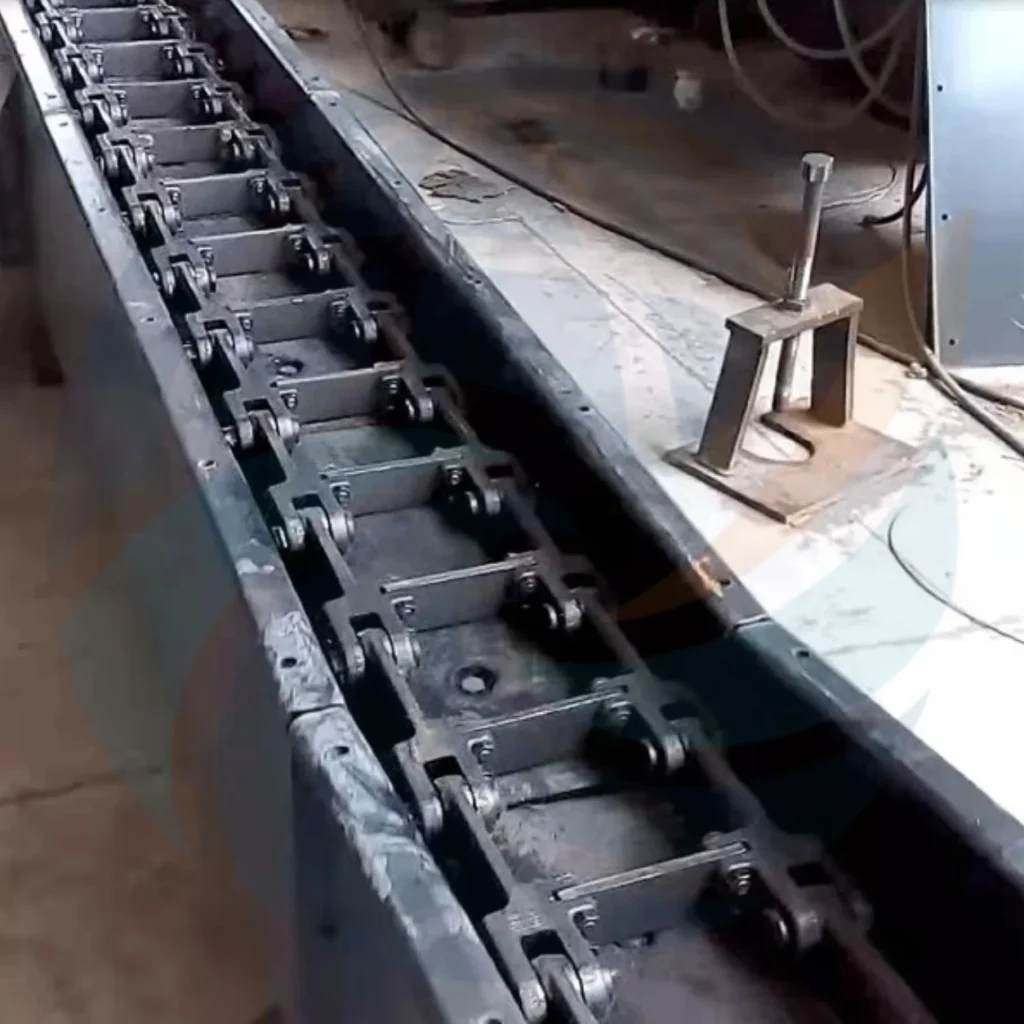
Drag Chain Conveyors
Move bulk solids through a trough using a chain and scraper flights
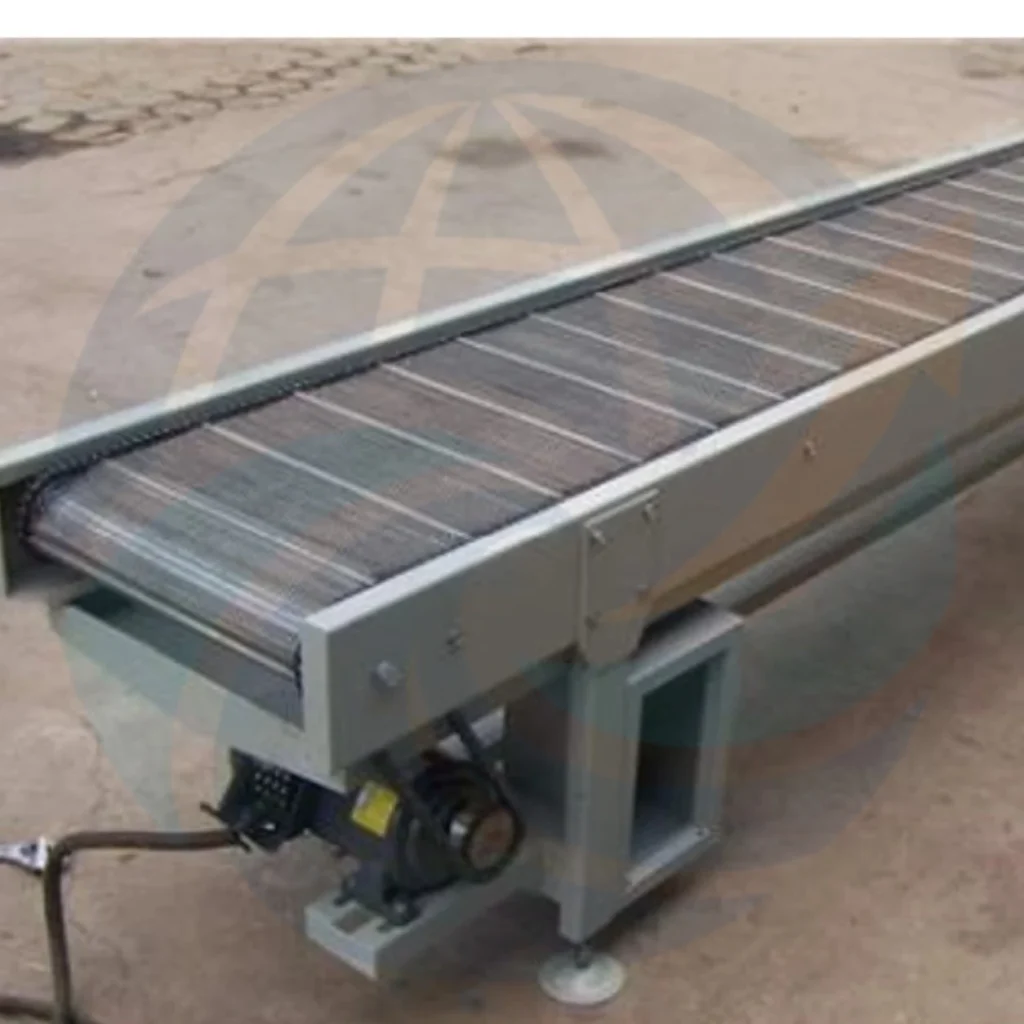
Chain Plate Conveyors
Carry materials on linked plates along a defined conveying route
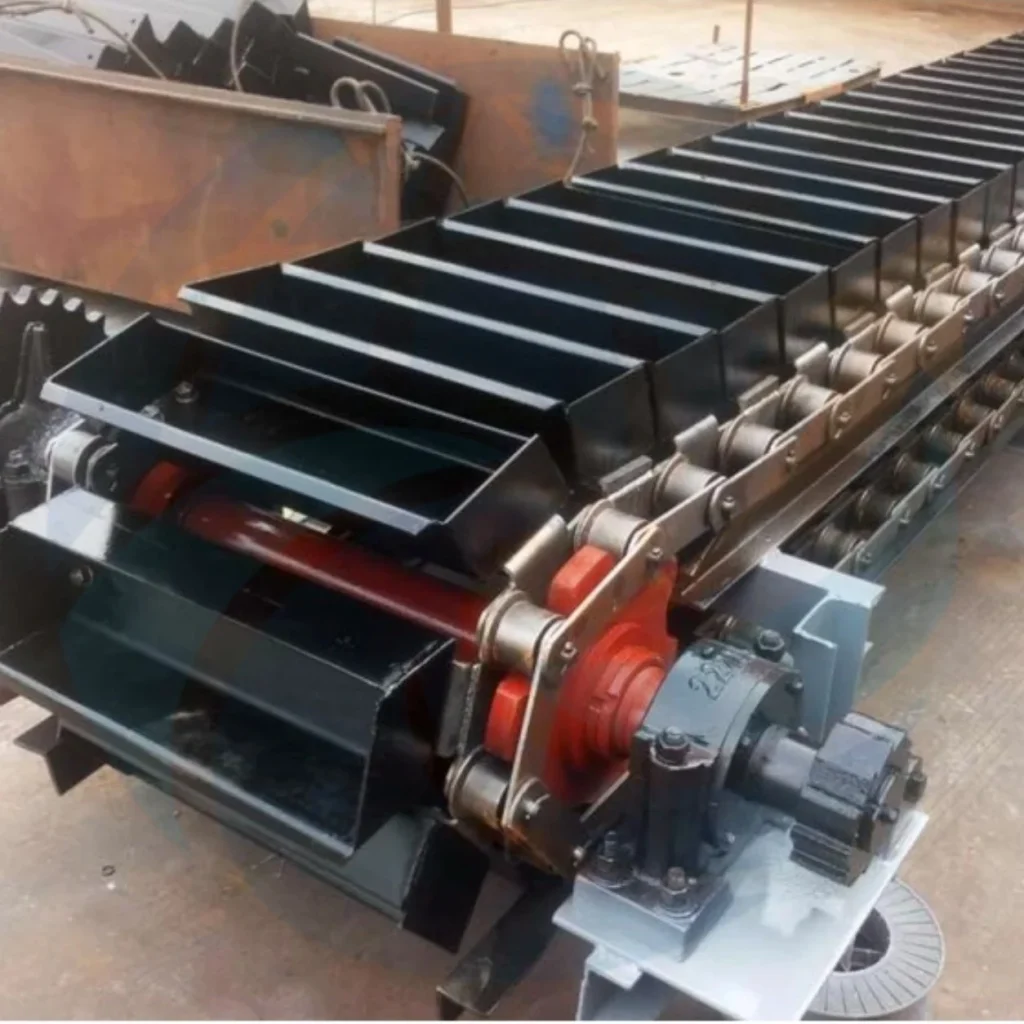
Chain Bucket Conveyors
Carry bulk solids in chain-driven buckets along horizontal or inclined routes
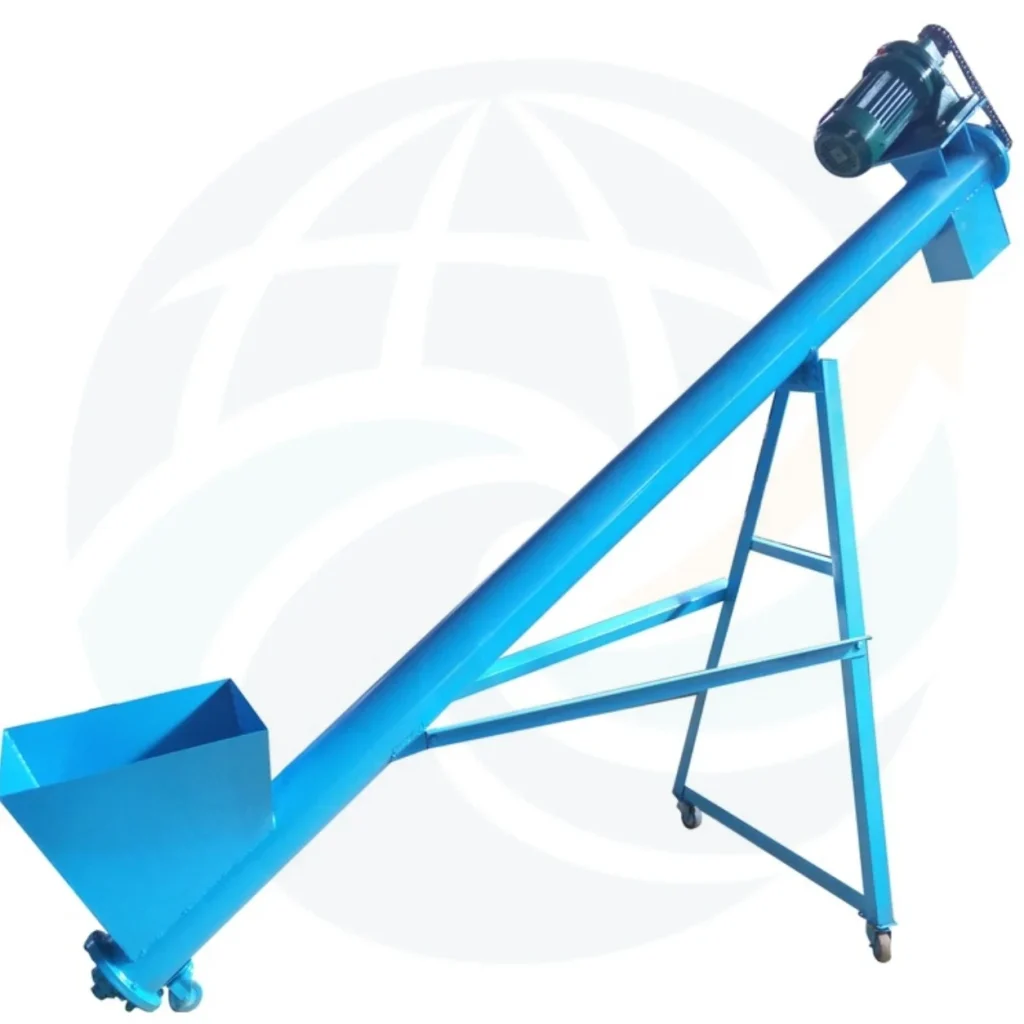
Screw Conveyors
Move bulk materials through a tube or trough using a rotating screw
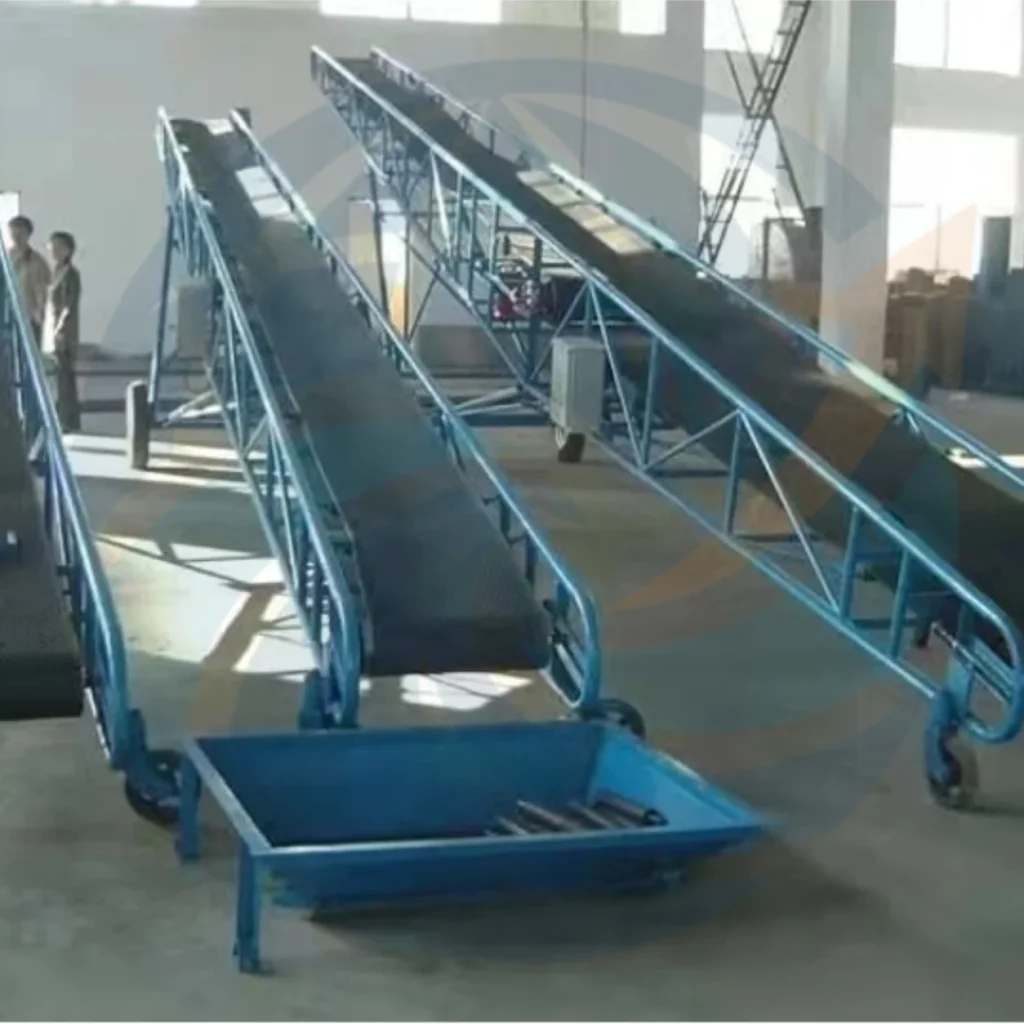
How to Choose a Bulk Material Conveyor
Start with the Material and Transfer Route
Conveyor selection depends on how the material behaves and where it needs to go. A compact transfer between two machines can require a different arrangement from a longer route with a change in height.
- Material: particle size, bulk density, moisture, flowability and abrasion.
- Throughput: required capacity, operating hours and continuous or batch feeding.
- Route: transfer distance, elevation change, available space and connection points.
Discuss cleaning access, contact materials and enclosure requirements at the same time. A layout sketch can help identify practical constraints before an equipment configuration is selected.
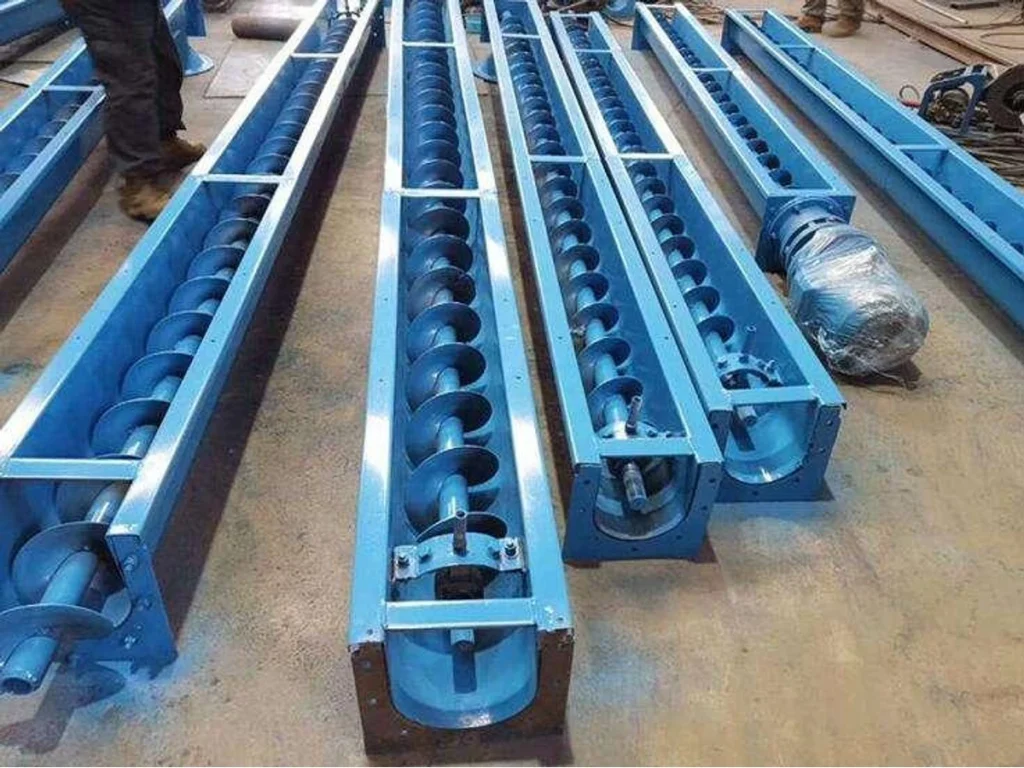
Conveying Applications
Bulk material handling conveyors connect receiving, screening, mixing, storage and packing stages. The transfer method should match both the material and the equipment at each end of the route.
- Powder Transfer: discuss dust containment, material flow and cleaning requirements.
- Granule Transfer: review particle size, bulk density and sensitivity to damage.
- Process Connections: confirm inlet and outlet heights, available space and feeding conditions.
For a powder conveying system, share the material properties and the complete transfer route. Capacity and configuration should be reviewed for the actual application rather than selected from the material name alone.
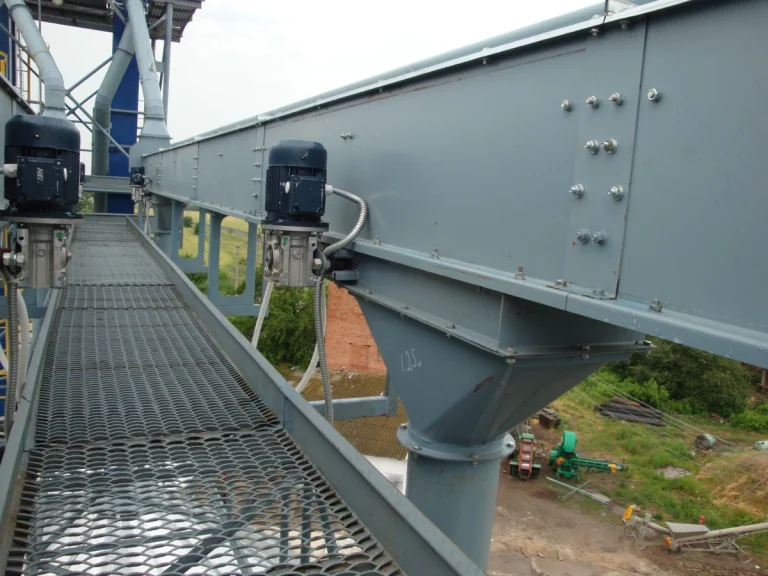
What to Confirm Before Selecting a Conveyor
| Information | What to Share |
|---|---|
| Material | Name, particle size, bulk density, moisture and flowability |
| Capacity | Required throughput, operating hours and feeding conditions |
| Transfer Route | Horizontal distance, elevation change and available space |
| Connections | Inlet and outlet positions, heights and connected equipment |
| Contact Materials | Required material grade, wear concerns and cleaning needs |
| Utilities | Available power supply and compressed air, if applicable |
| Process Requirements | Dust containment, temperature and other handling requirements |
Connect Conveying with the Rest of Your Process
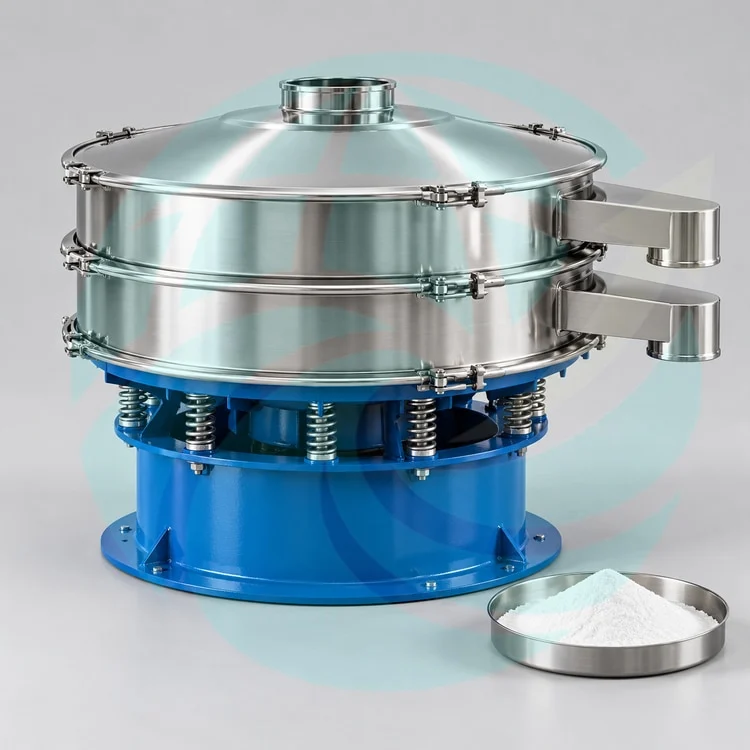
Rotary Vibrating Screen
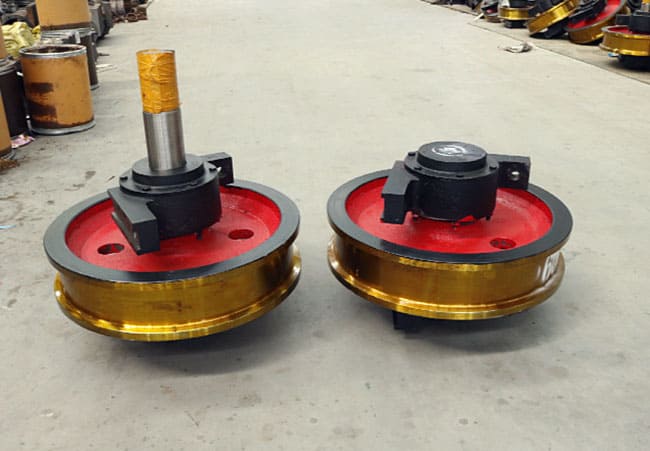
Crane Rail Wheels
Bulk Material Conveyor FAQs
1.How do I choose a bulk material conveyor?
Start with the material properties, required throughput and transfer route. Share the distance, elevation change, inlet and outlet positions and available space so suitable conveying methods can be discussed
2.What is the difference between a conveyor and a feeder?
A conveyor mainly transfers material between points. A feeder is selected to control material delivery into a process. Some arrangements combine these functions, so explain whether you need transfer, controlled feeding or both
3.Can a conveyor move material at an incline?
Some conveyor arrangements can handle inclined transfer. The suitable angle and achievable capacity depend on the conveying method, material and machine design. Provide the required height change and available horizontal distance for review
4.Can I use one conveyor for different materials?
That depends on differences in particle size, density, moisture and handling requirements. Share all intended materials, along with cleaning and changeover needs, so compatibility can be reviewed
5.What should I consider for powder conveying?
Describe the powder’s flowability, moisture and bulk density, together with the required capacity and route. Also identify dust containment, cleaning and material compatibility requirements before choosing an arrangement
6.Can the conveyor connect to my existing equipment?
Send equipment drawings or a layout sketch showing connection sizes, inlet and outlet heights and available space. The proposed interfaces and supply scope can then be discussed before ordering
7.What information is needed for a quotation?
Please provide the material name, required capacity, conveying distance, height change and destination. Photos, layout drawings and any required contact materials or power supply details will help define the request
Discuss Your Conveying Requirements
Tell us what you need to move and where it needs to go.