
Bulk Material Feeders
Explore feeding options for powders, granules and larger bulk solids
Find a Bulk Material Feeder for Your Process
A bulk material feeder delivers material from a hopper or storage point into the next process stage. Xinxiang Haoyuan Trading Co., Ltd. supplies feeding equipment options for different materials, feeding conditions and installation layouts.
Explore vibrating, electromagnetic, screw and apron feeder options below. Share your material properties, required feed rate and hopper arrangement so we can discuss a suitable configuration and supply scope.
Explore Feeder Types
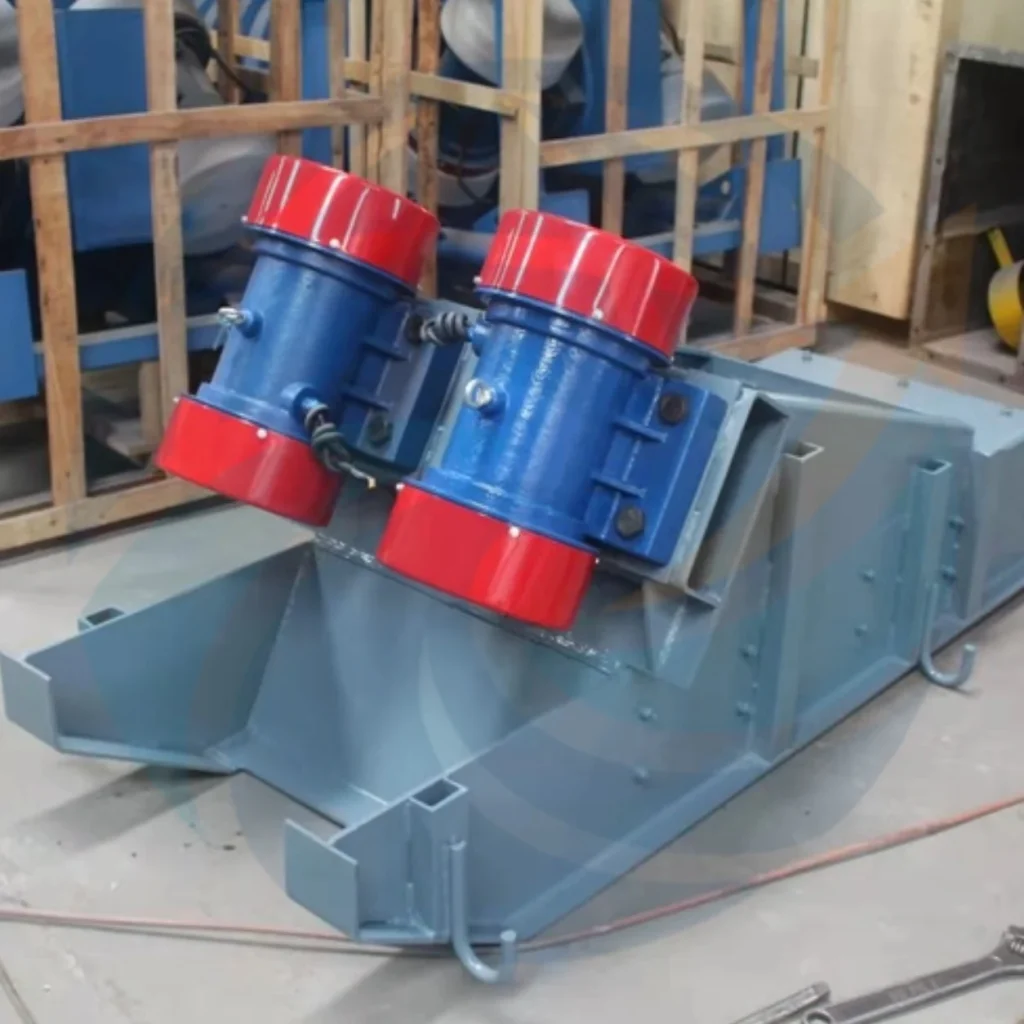
Vibrating Feeders
Feed bulk materials along a trough using a mechanical vibration drive
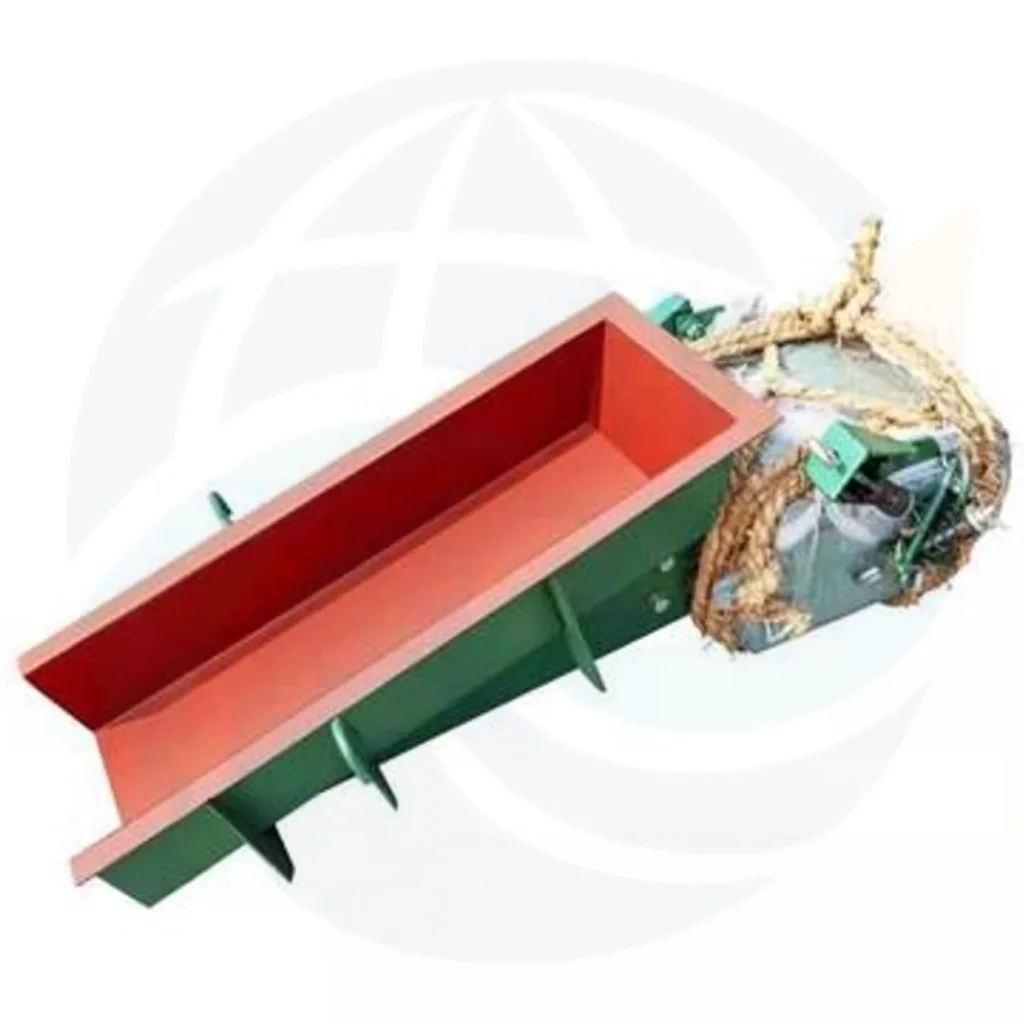
Electromagnetic Feeders
Feed suitable materials using an electromagnetic drive and matched controller
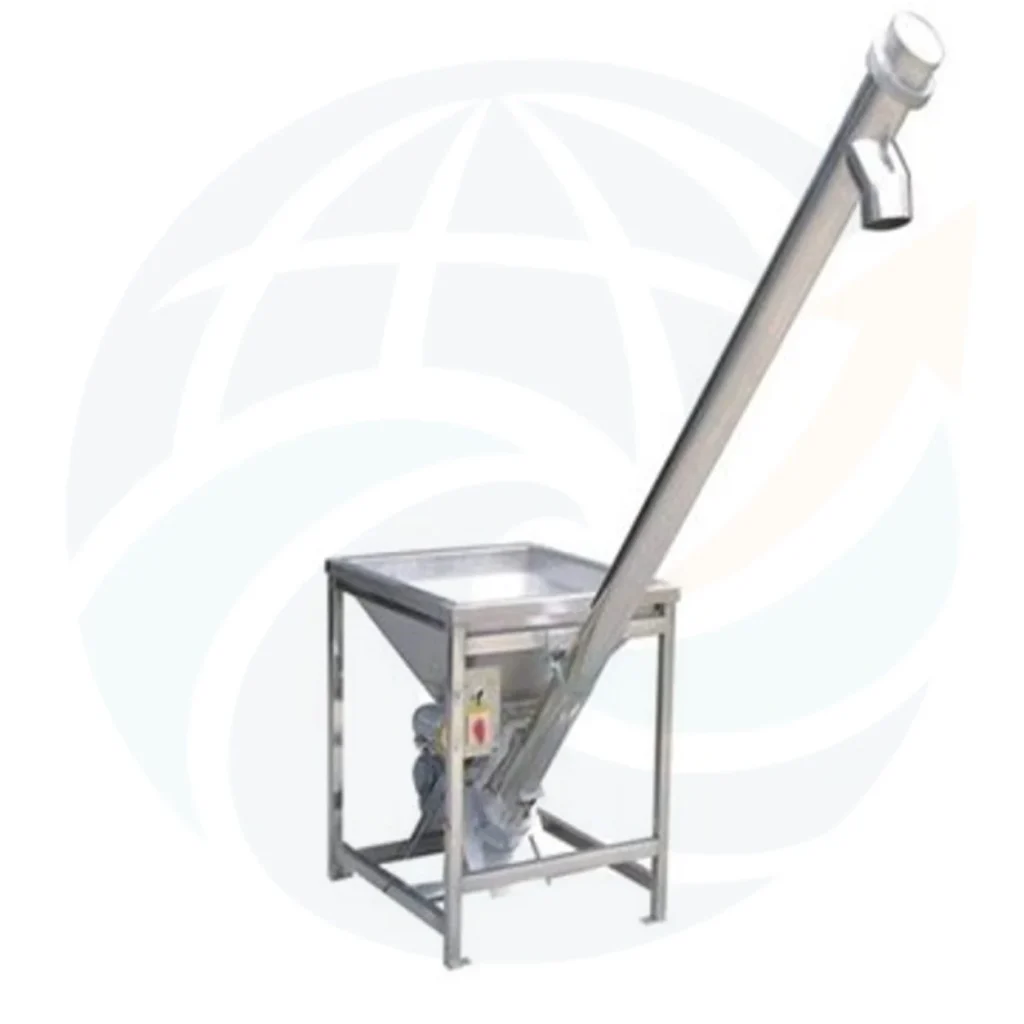
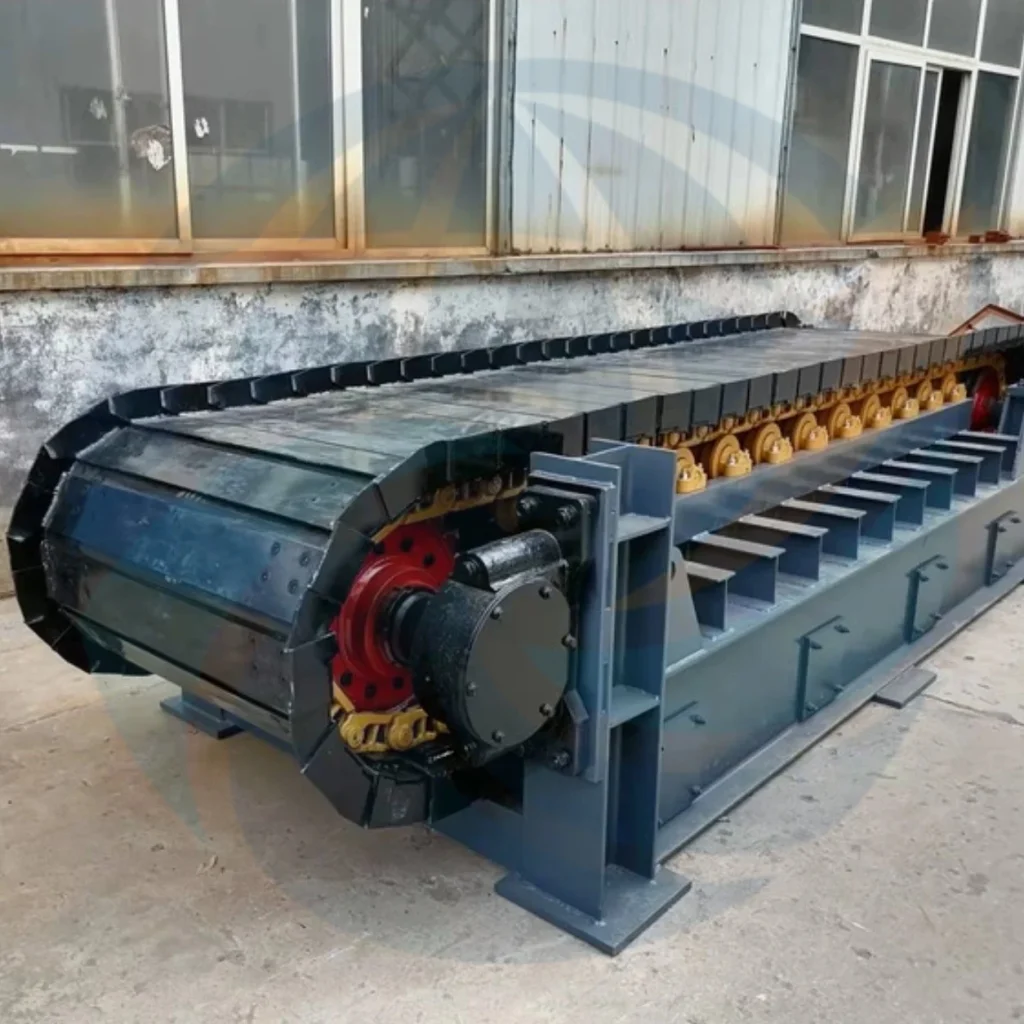
How to Choose a Bulk Material Feeder
Match the Feeder to Your Material and Hopper
Feeder selection depends on the material, the required delivery rate and the conditions at the inlet. The amount of material above the feeder and the hopper outlet arrangement can affect how material enters the machine.
- Material: particle size, bulk density, moisture, flowability and abrasion.
- Feed Rate: required minimum and maximum throughput, plus continuous or batch operation.
- Hopper Interface: outlet dimensions, material head and available installation space.
Also explain whether you need a steady material supply, an adjustable feed rate or a measured dose. These requirements help define the drive, controls and any weighing equipment that may need to be discussed.
Feeding Applications
Industrial feeding equipment connects material storage with screening, conveying, mixing and packing stages. The feeder should be selected around the receiving equipment and the way material enters the process.
- Screening and Conveying: match the feed rate and discharge position to the next machine.
- Mixing and Packing: explain batch size, delivery timing and any weighing requirements.
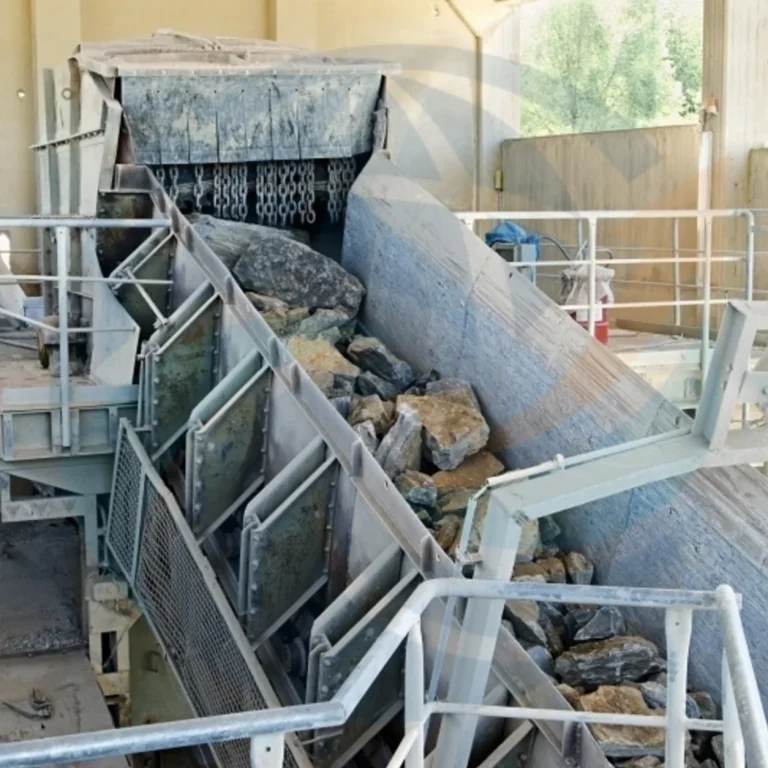
- Coarse Material Handling: review maximum lump size, impact loading and wear conditions.
Send a simple process sketch showing the hopper, feeder and downstream equipment. This helps clarify the connection points, available space and control requirements before an order is placed.
What to Confirm Before Selecting a Feeder
| Information | What to Share |
|---|---|
| Material | Name, particle size, bulk density, moisture and flowability |
| Feed Ratey | Minimum and maximum throughput, and continuous or batch operation |
| Hopper Conditions | Outlet size, hopper arrangement and material head above the feeder |
| Process Goal | Steady feeding, adjustable delivery or measured dosing requirements |
| Connections | Discharge position, receiving equipment and available space |
| Construction | Contact material, wear, cleaning and enclosure requirements |
| Controls | Power supply, start/stop signals and required control interfaces |
Complete Your Material Handling Process
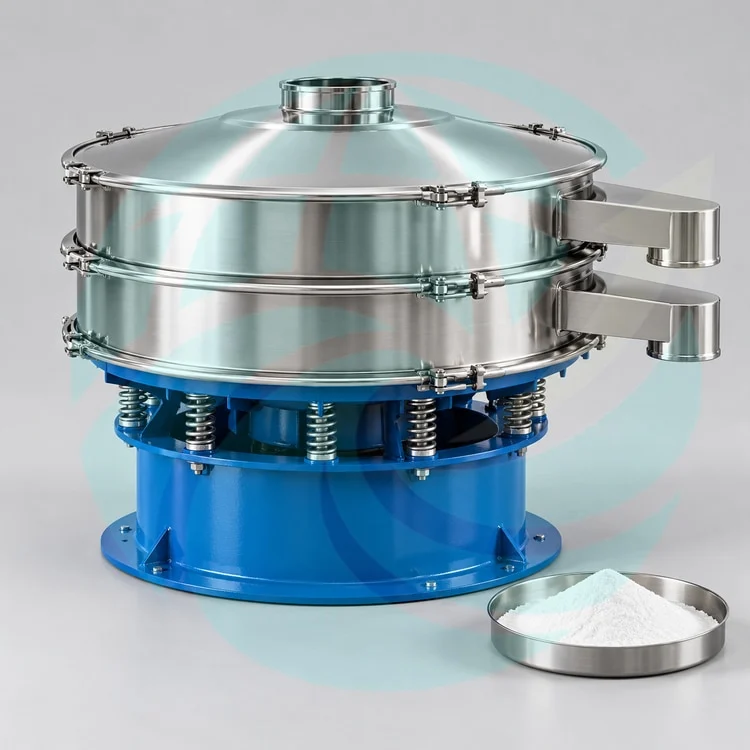
Rotary Vibrating Screen
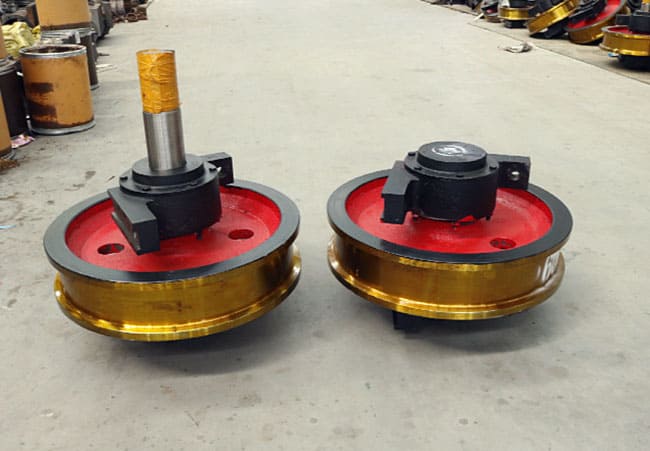
Crane Rail Wheels
Bulk Material Feeder FAQs
1.How do I choose a bulk material feeder?
Start with the material properties, required feed rate and hopper arrangement. Particle size, moisture, bulk density and the material load at the inlet help determine which feeding method should be considered.
2.What is the difference between a feeder and a conveyor?
A feeder is selected to manage material delivery into a process, while a conveyor mainly transfers material between points. Some systems combine these functions, so explain both the transfer route and the feeding requirement.
3.How do vibrating and electromagnetic feeders differ?
Electromagnetic feeders are a type of vibratory feeder. This page lists them separately from mechanically driven vibrating feeders because the drive and control arrangements differ. Selection depends on the material, required feed rate and operating conditions.
4.Is a screw feeder the same as a screw conveyor?
Both use a rotating screw, but a feeder must be considered together with the hopper and the material load at its inlet. A screw conveyor should not be assumed suitable for controlled hopper discharge without reviewing the design.
5.Can the feeding rate be adjusted?
Adjustment options depend on the feeder, drive and control arrangement. Share the required operating range and whether the system needs manual adjustment or a connection to existing controls.
6.Can a feeder provide accurate dosing?
A feeder alone does not establish a dosing accuracy. If a measured mass or batch quantity is required, specify the target and operating conditions so the need for weighing equipment and feedback controls can be reviewed.
7.What information is needed for a quotation?
Provide the material name, required feed rate, hopper outlet size, available space and destination. Photos or drawings of the hopper and receiving equipment will help define the proposed arrangement.
Discuss Your Feeding Requirements
Tell us what you need to feed and how your process operates