Rotary Vibrating Screen

Screen suitable powders and granules for oversize removal or size grading
rotary-screen-decks fine-powder-screening-example Ultrasonic Vibrating Screens Rotary Vibrating Screens

Rotary Vibrating Screen

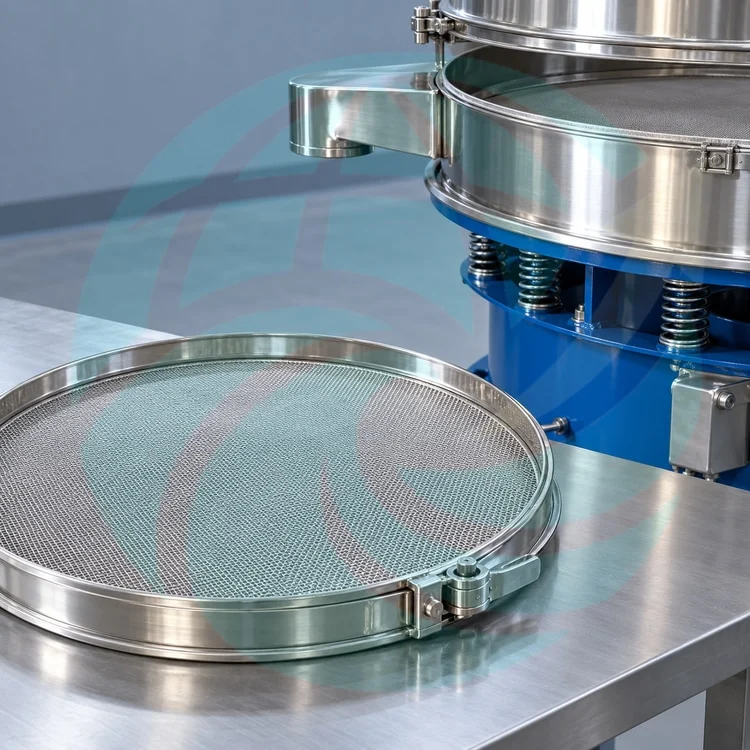
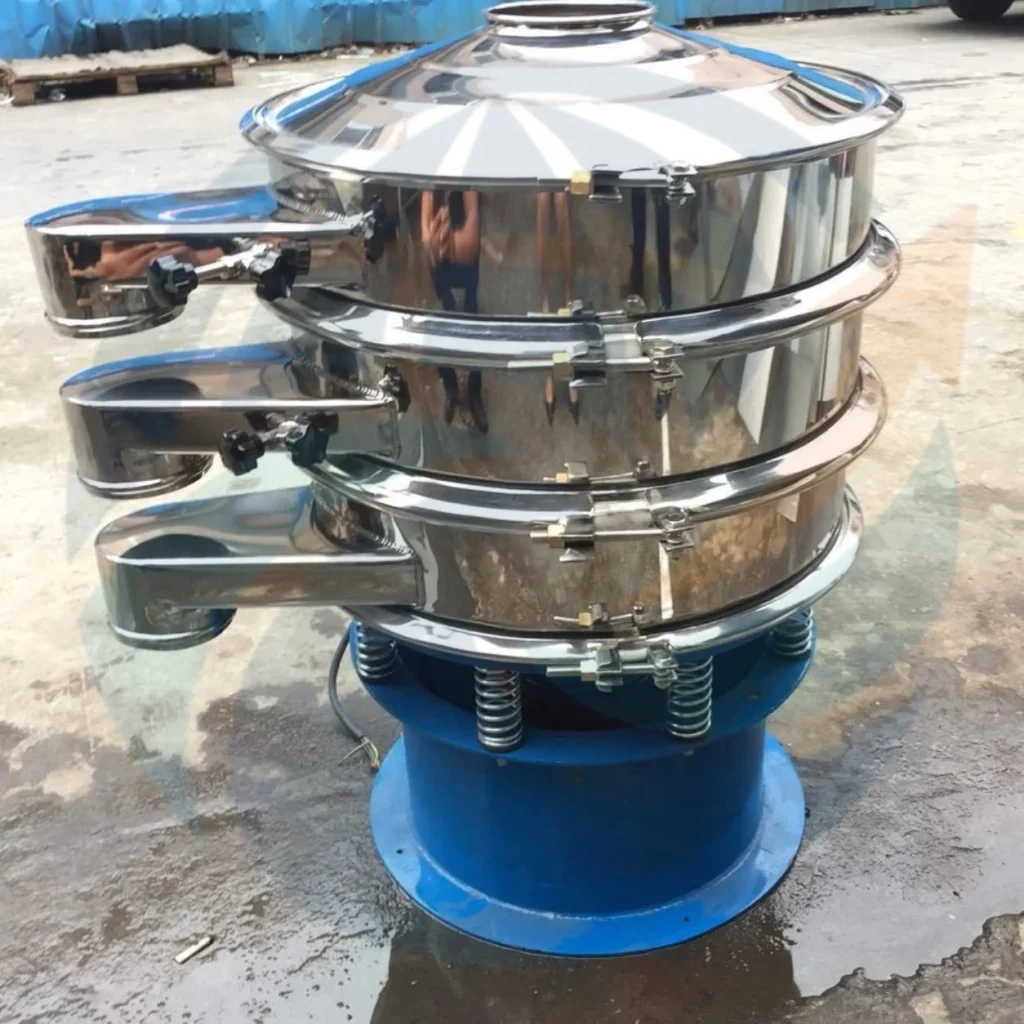
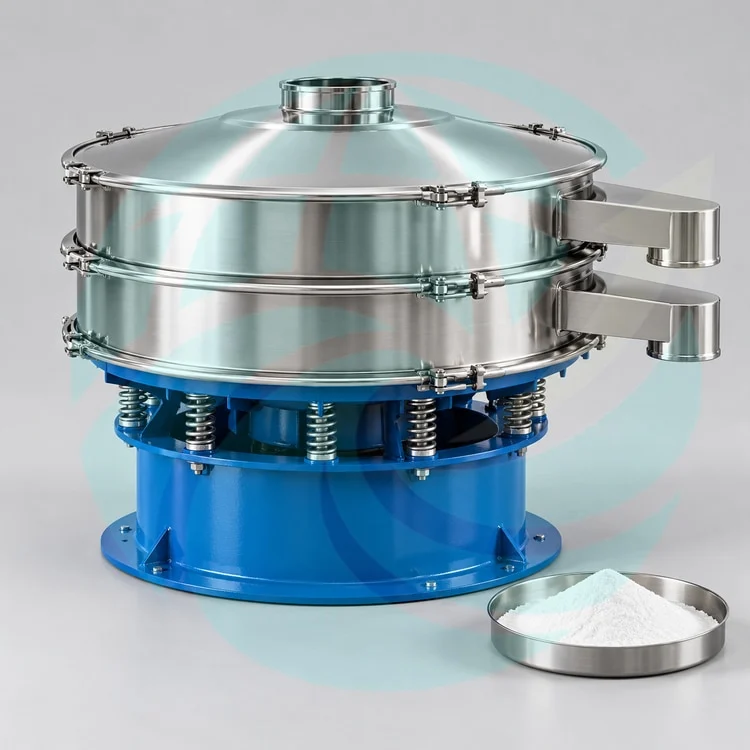
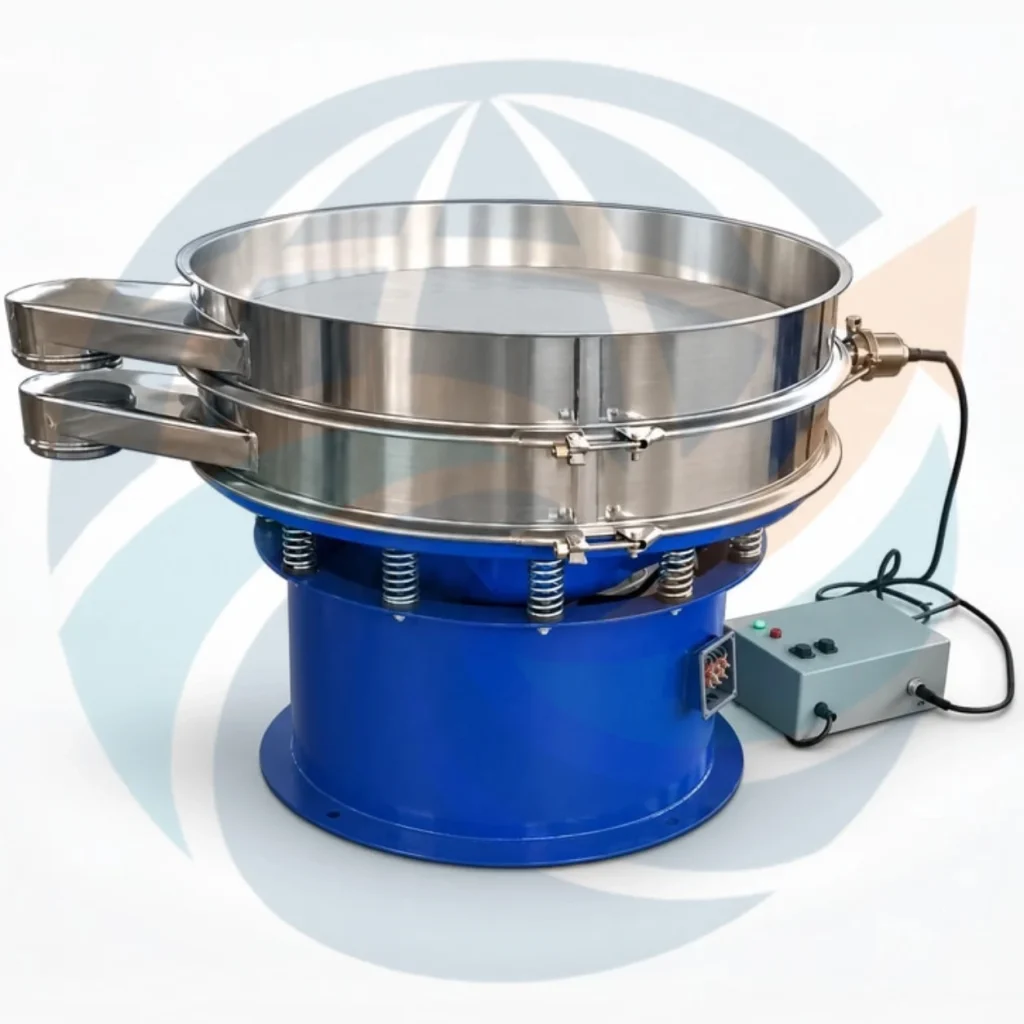
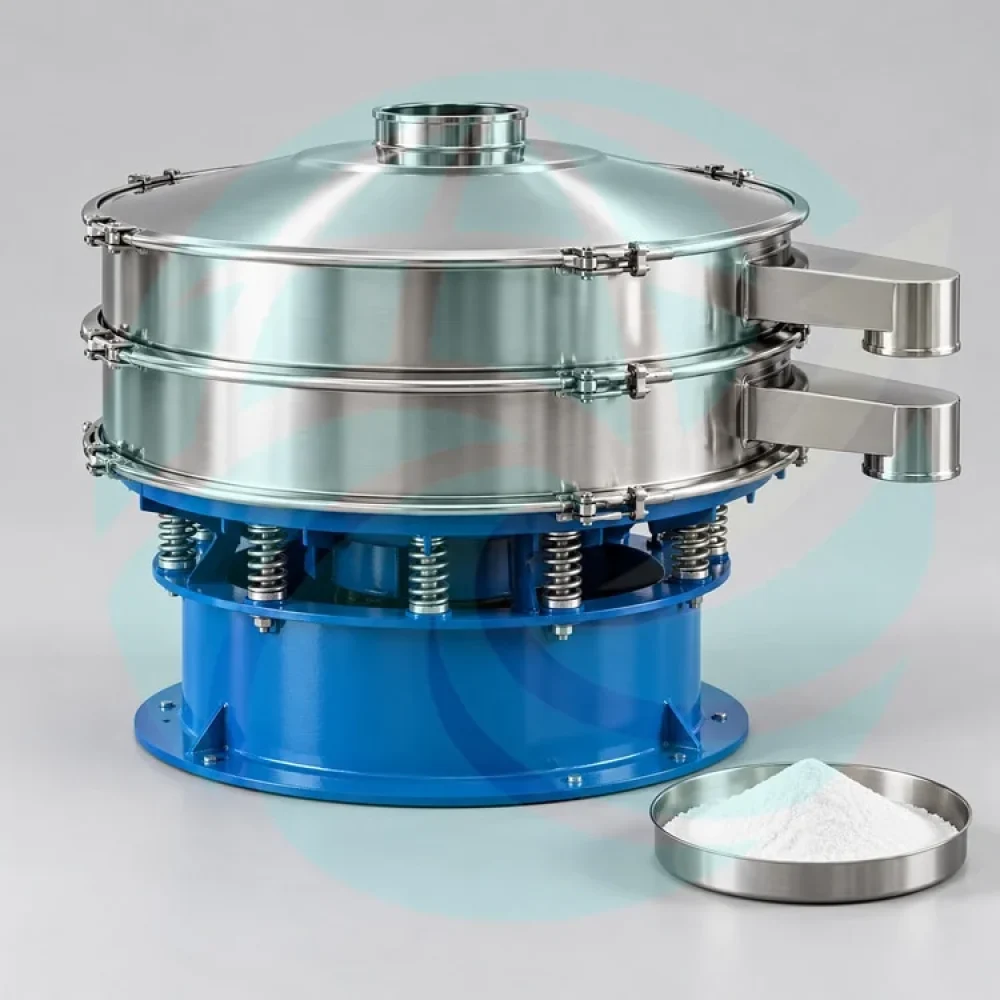
A rotary vibrating screen moves material across a circular screening surface. Particles are separated according to the selected openings and collected through the corresponding outlets. Start with the separation you need, then review the screen arrangement against your material and process.

  • Screen opening: Target opening in µm or mm; identify the standard if using mesh.
  • Separation: Oversize removal or required size fractions.
  • Material: Particle size, moisture, bulk density and flowability.
Item What to Confirm
Screen opening Target opening in µm or mm; identify the standard if using mesh
Separation Oversize removal or required size fractions
Material Particle size, moisture, bulk density and flowability
Throughput Required kg/h or t/h and feeding conditions
Deck arrangement Number of separations and collection outlets
Installation Inlet height, outlet positions and cleaning access
rotary-screen-decks

How the Rotary Vibrating Screen Works

A rotary vibrating screen moves material across a circular screening surface. Particles are separated according to the selected openings and collected through the corresponding outlets. Start with the separation you need, then review the screen arrangement against your material and process.

Powder Screening

For a powder screening enquiry, describe the particle size range, moisture and any tendency to form lumps. Explain whether the aim is to remove oversized particles or collect a particular fraction. A material name alone does not define the screen opening.

Separation at the Screen Surface

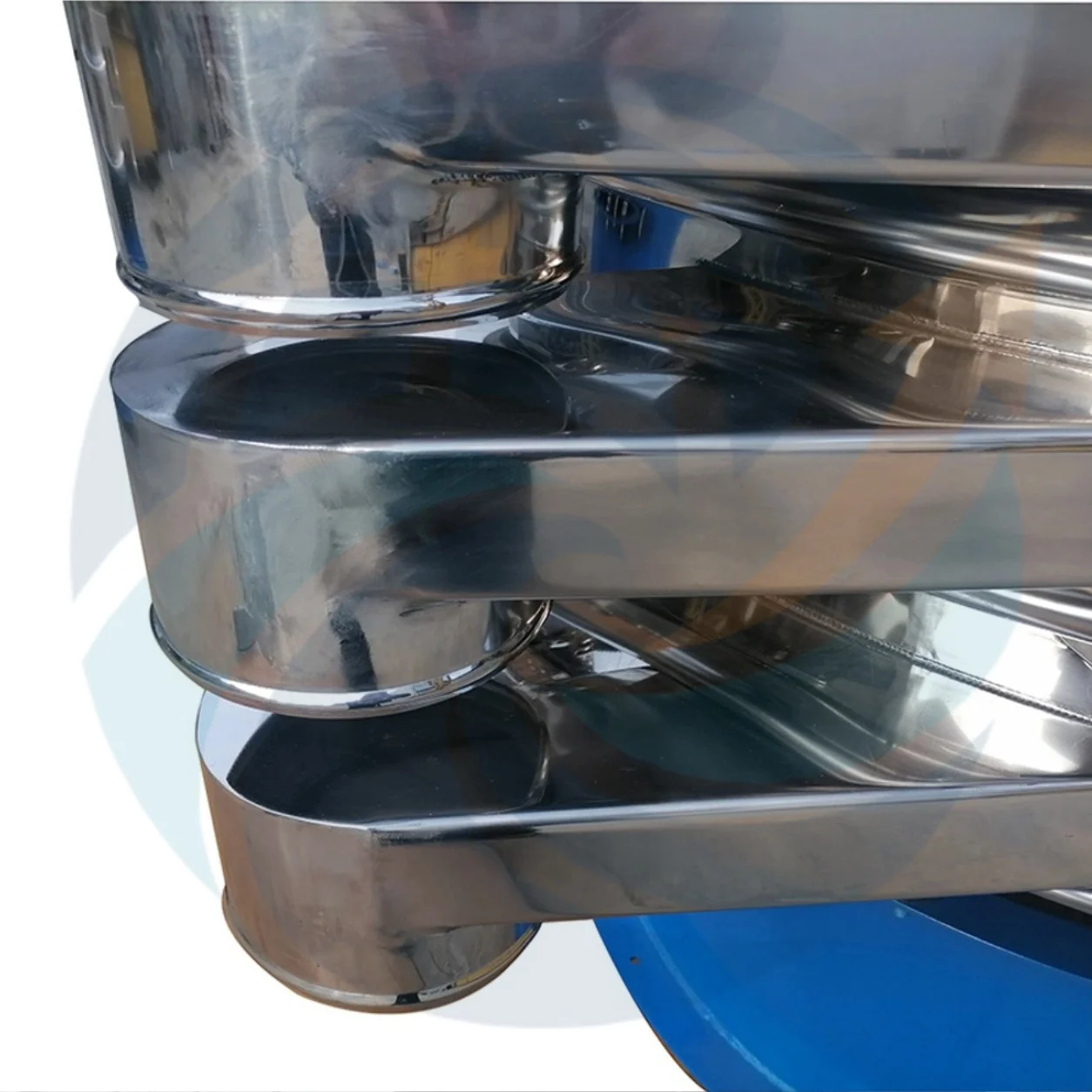
Material enters through the top inlet and reaches the screen surface. The vibrating assembly moves the material across the mesh. Particles that pass through an opening move to the level below, while larger particles remain above that opening and leave through a separate outlet.

Multiple Fractions

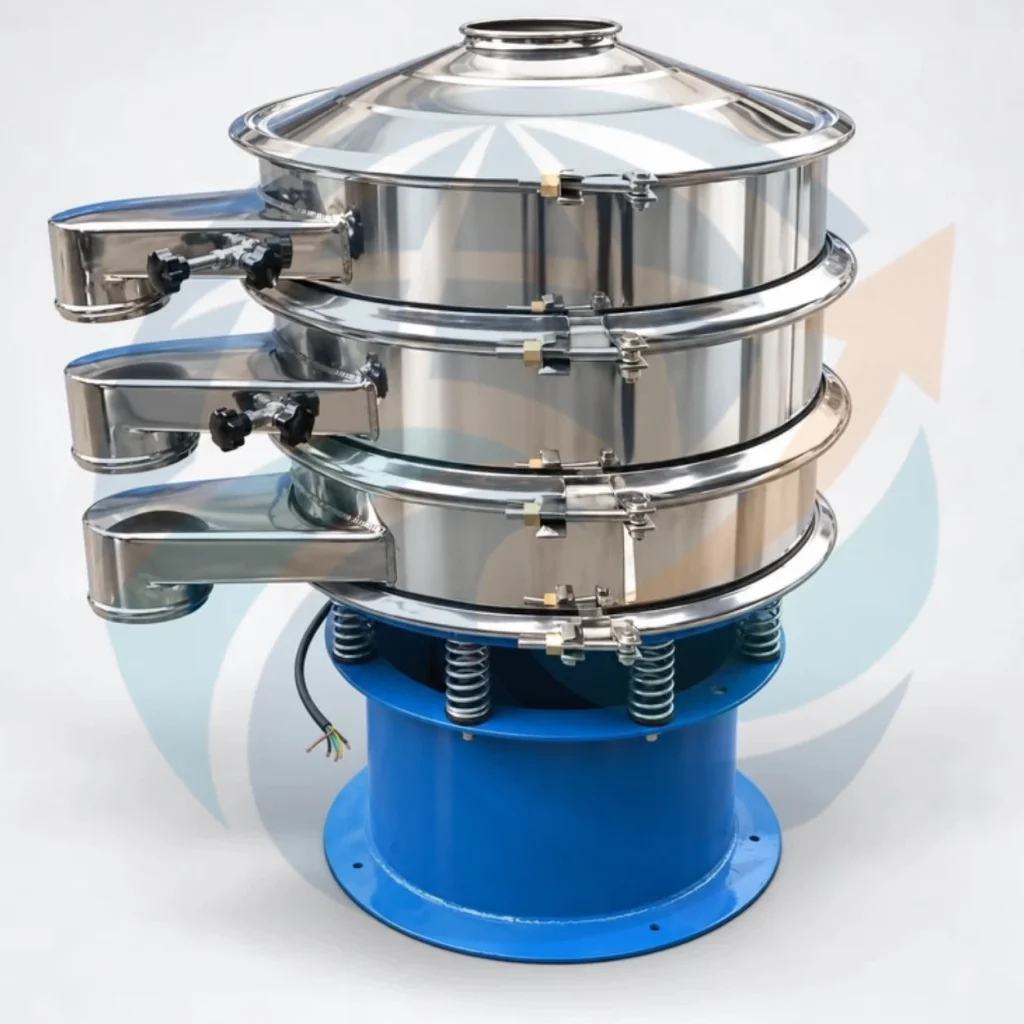
Where more than one screen deck is used, different openings can create several collected fractions. The deck sequence and discharge arrangement must match the intended separation. A multi-deck illustration explains this arrangement, but does not establish the number of decks supplied with a quotation.

What the Screen Does Not Determine

Screening is a size-based separation step. It should not be described as sterilisation or as guaranteed removal of all contamination. The required cut, material behaviour and acceptance criteria need to be defined for the actual process.

rotary-screen-outlet-detail

Application and Configuration

Granule Grading

For granules, identify each fraction you want to collect and how it will be used downstream. Check the required outlets and collection space before choosing a deck arrangement. Additional decks should follow the separation task.

Access and Connections

Share inlet height, outlet positions and space for screen changes. Specify which contact parts require a particular material grade and describe your cleaning method. These details should be reviewed together with the screen configuration.

Powders and Granules

For powder enquiries, identify whether the task is final screening, oversize removal or another size separation. For granules, list the fractions that should be accepted or rejected. The same material may need different screen openings at different stages of production.

If you are considering flour, starch, chemical powders or plastic granules, provide the actual material properties and intended duty. These are enquiry examples, not a statement that every grade of each material is suitable or that a particular hygiene or safety certification is included.

Mesh, Contact Parts and Cleaning

Specify the opening in microns or millimetres where possible. If using a mesh number, identify the relevant standard. Define the required material grade for contact parts separately from the base and external components. Include seals and the cleaning method in the same review.

When fine powder blocks the mesh, describe the observed problem and any existing cleaning arrangement. Ultrasonic assistance or other options require a separate suitability check; they should not be assumed to be included in a standard rotary screen.

Share the upstream and downstream equipment and explain how they operate together. Identify whether this machine runs continuously, starts with another process or handles separate batches. These details help define the connection and control requirements.

Installation, Cleaning and Supply Scope

Check the Installation Layout

Provide the available floor space, connection heights and access around the equipment. Include nearby structures that may restrict installation or maintenance. Confirm dimensions against the proposed configuration before arranging permanent connections.

Plan Cleaning and Maintenance

Explain the cleaning method, product-change frequency and access available to the operator. Ask which parts need routine inspection and which items may require replacement. Maintenance instructions and isolation procedures should come from the documentation for the selected equipment.

Confirm What Is Included

Discuss the equipment scope together with your separation requirements. Identify whether the quotation includes the drive, controls, supports, connections and requested accessories. Confirm these items individually rather than assuming that everything shown in an illustration is supplied.

Provide the destination country and your packing, documentation or spare-part requirements. Review the agreed configuration, commercial terms and delivery responsibilities before ordering.

equipment-configuration-example

Related Products

Complete Guide

About Hanko

Hanko products are manufactured using high-strength materials and go through strict quality inspections to ensure durability and operational safety.

We offer custom manufacturing services for non-standard parts based on customer drawings or specific requirements.

Our products meet international standards and are exported worldwide, earning the trust of clients across Asia, the Middle East, Europe, and beyond.

Is a vibro sifter the same type of equipment?
The name is often used for round screening equipment. Compare the actual motion, screen arrangement and intended duty when reviewing a proposal.
Define the required size fractions first. The deck sequence and outlet arrangement can then be reviewed against that separation task.
Diameter alone is not enough. Share the material properties, target opening and feed conditions along with your required throughput.
Screening separates particles by size. Contaminants with a similar size to the accepted material may pass through the same opening. Describe the unwanted material so the separation task and any additional process requirements can be reviewed.

Send Your Inquiry Today

全局表单

Talk to an Engineer

全局表单