
Bulk Material Elevators
Explore equipment options for moving bulk materials between different heights
Find a Bulk Material Elevator for Your Process
A bulk material elevator moves material between different heights in a processing line. Xinxiang Haoyuan Trading Co., Ltd. helps customers discuss lifting equipment options based on the material, required capacity and installation layout.
Share your lifting height, inlet and outlet positions and available headroom. These details help define the equipment arrangement and connections before a quotation is prepared.
Explore Elevator Types
Compare lifting methods for your material and process layout
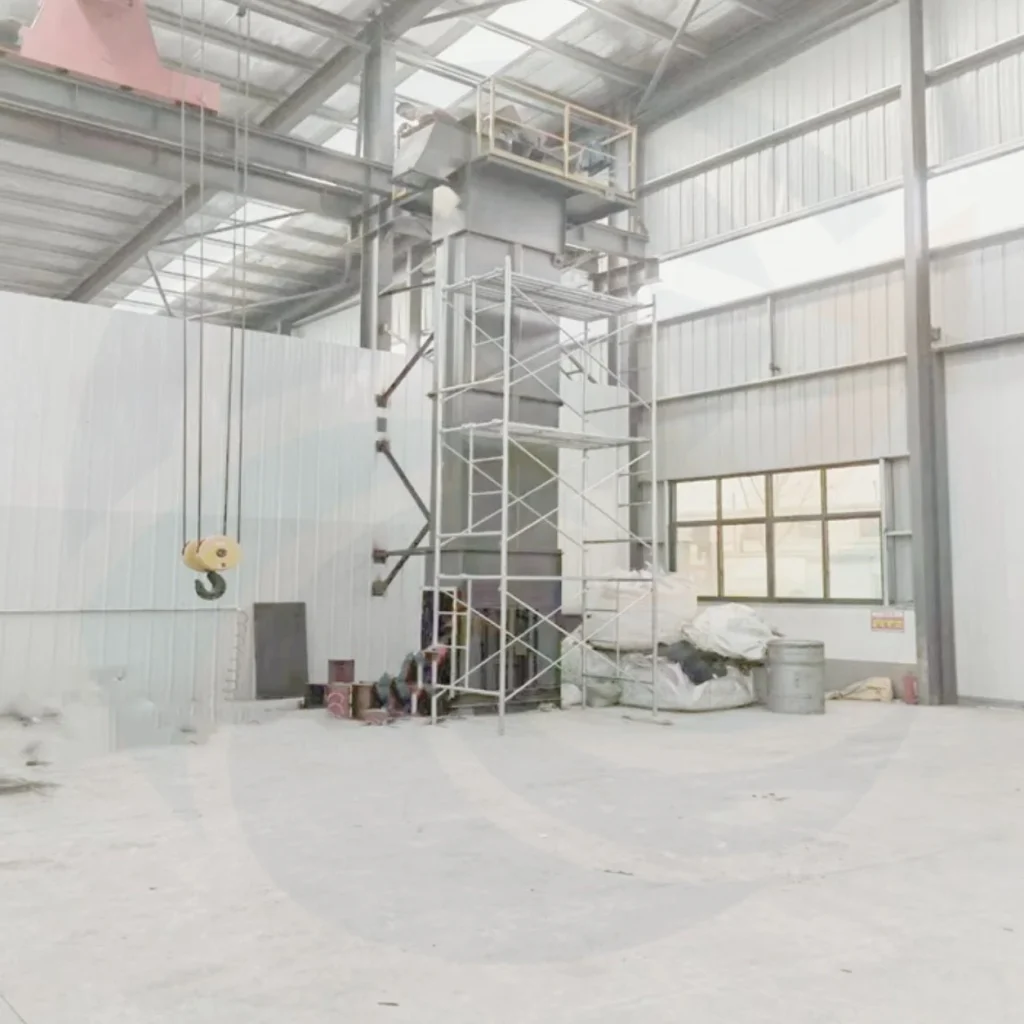
Bucket Elevators
Lift bulk materials using buckets attached to a moving belt or chain
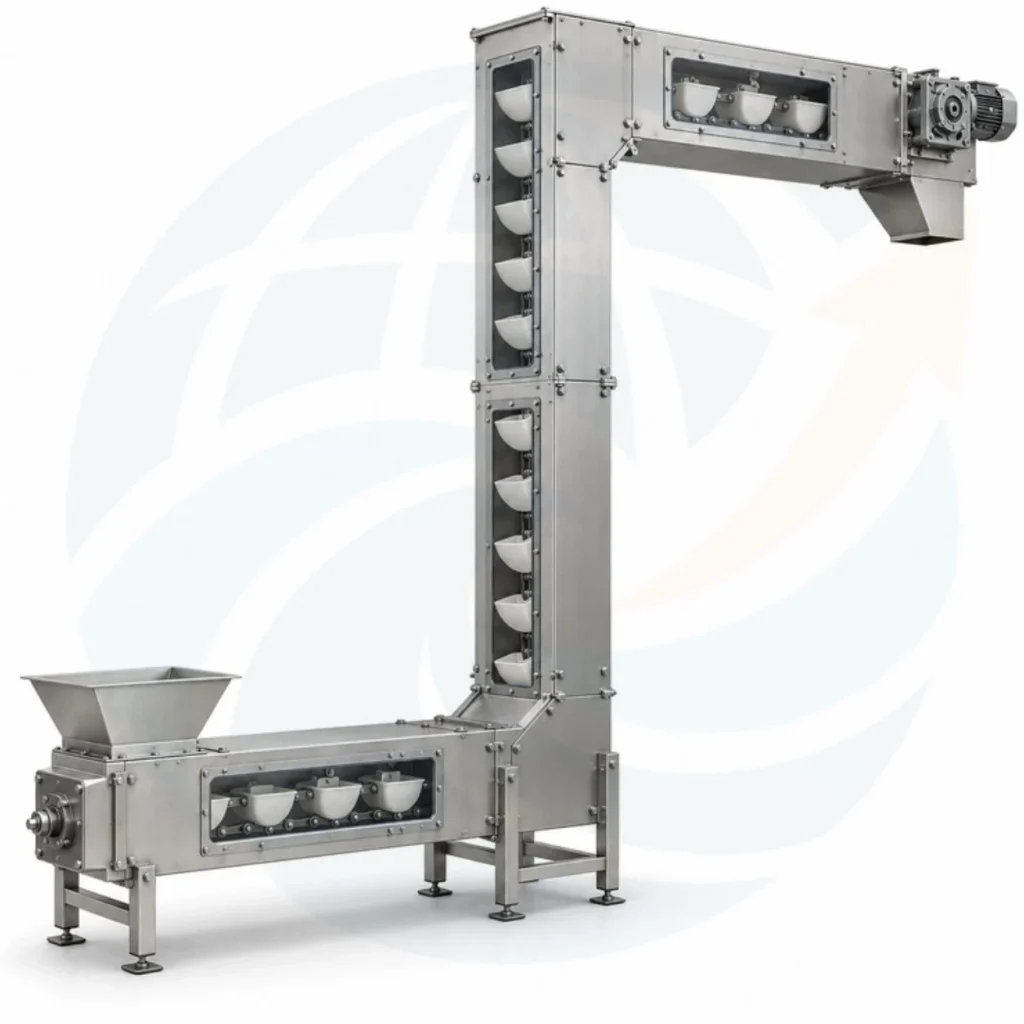
Z-Type Bucket Elevators
Move suitable materials along a bucket route with horizontal and vertical sections
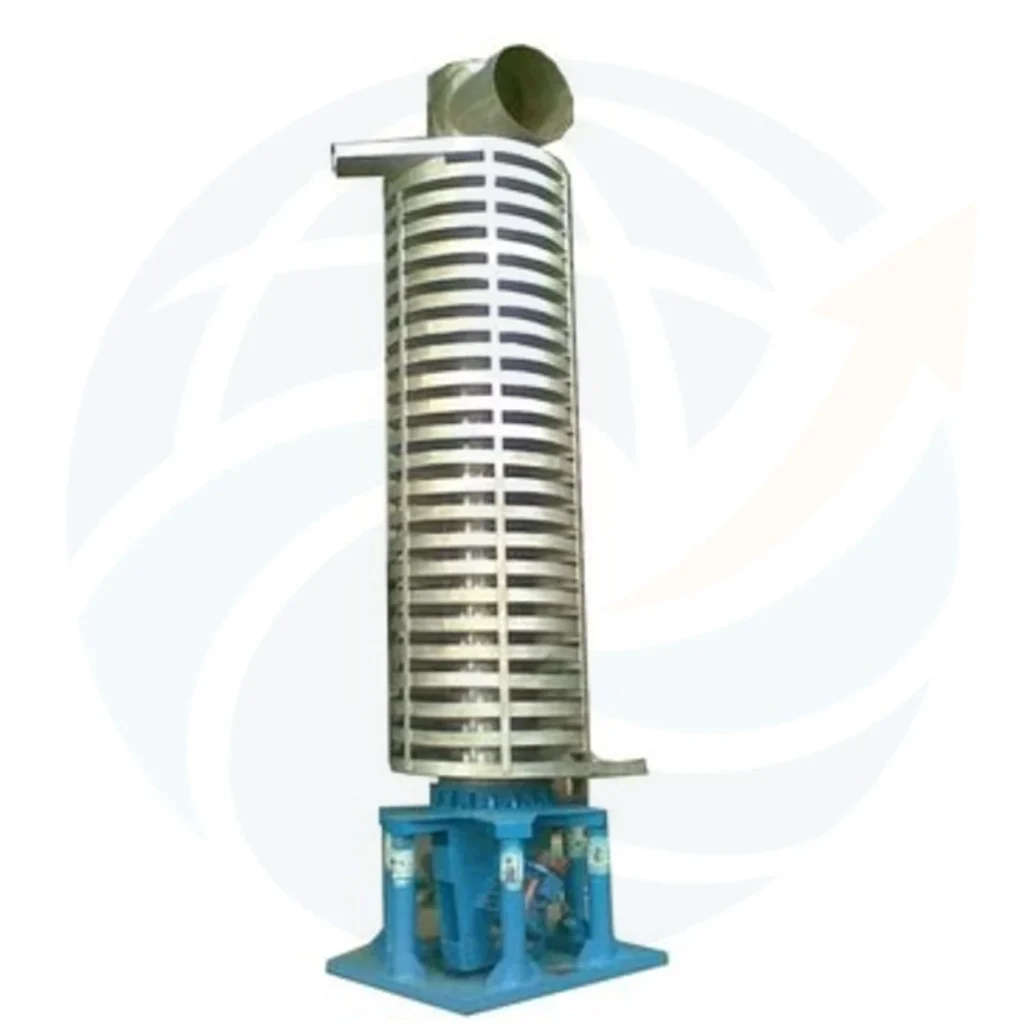
Spiral Vibrating Elevators
Move suitable materials upward along a spiral trough using vibration
How to Choose a Bulk Material Elevator
Start with the Material
Particle size, bulk density, moisture and flowability affect the lifting method. Also identify abrasion, temperature and sensitivity to product damage. Material testing may need to be discussed when handling behaviour is uncertain.
Check the Height and Layout
Provide the required lifting height and the inlet and discharge levels. Include the available headroom, footprint and access for maintenance. A layout sketch helps clarify how the elevator will connect to nearby equipment.
Define the Required Capacity
State the normal and peak throughput, operating hours and feeding conditions. The elevator and upstream feeder should be considered together so the proposed arrangement matches the process demand.
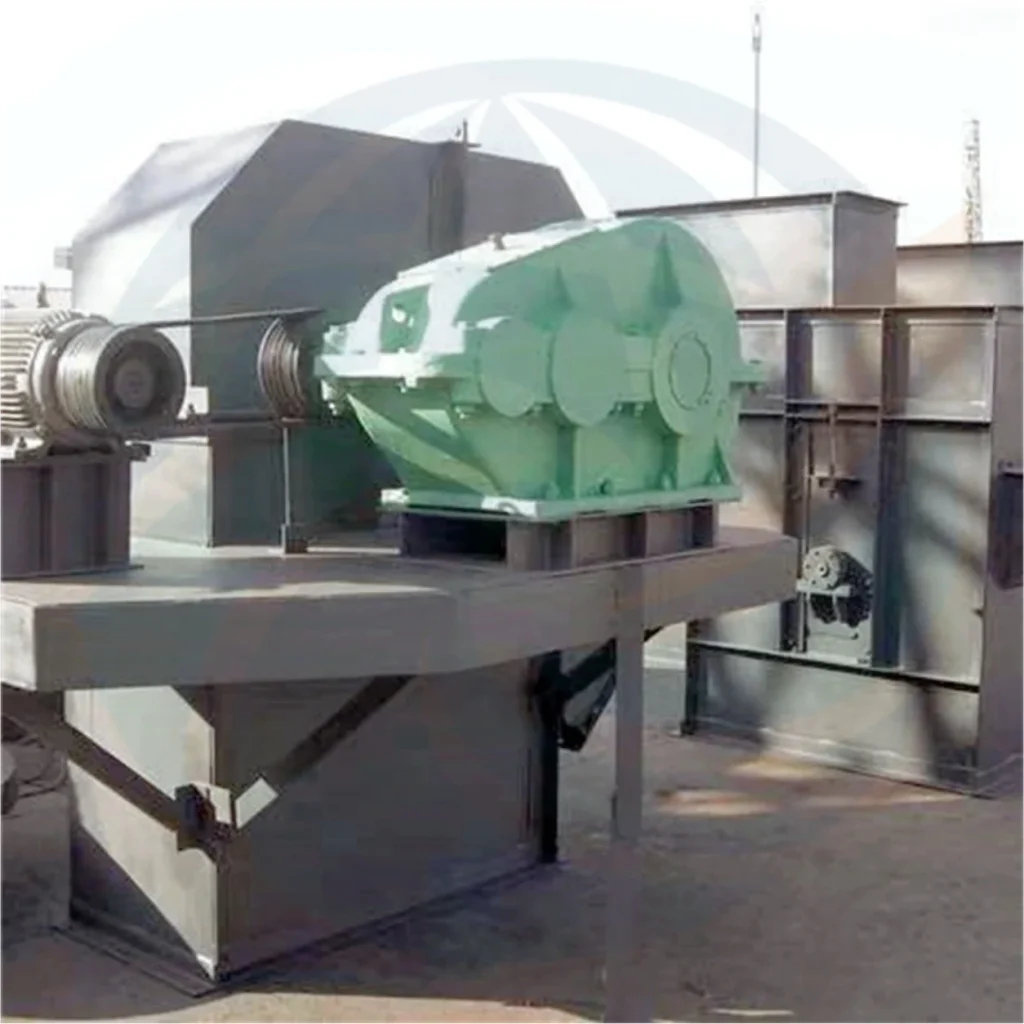
Bulk Material Lifting Applications
Check the Height and Layout
Transfer material to a higher receiving point, such as a storage hopper or processing machine. Confirm the receiving height, connection dimensions and required feed conditions before selecting the arrangement.
Check the Height and Layout
Review the full route between receiving, screening, mixing and packing stages. Horizontal offsets and changes in direction may influence which lifting arrangement should be considered.
Check the Height and Layout
If particle breakage or material separation is a concern, describe the acceptable handling conditions. Loading, travel and discharge should all be reviewed for the material and selected equipment.
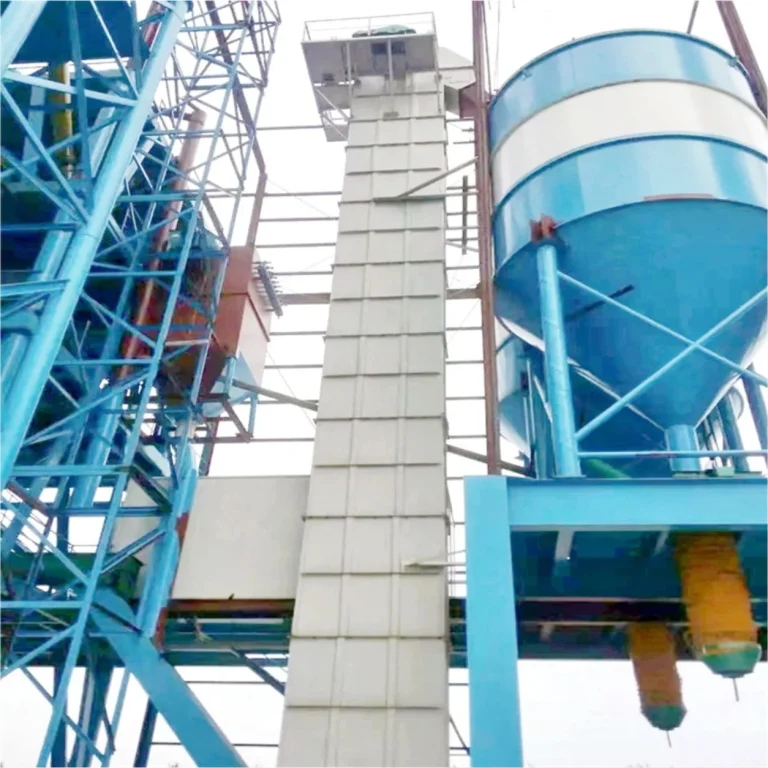
What to Confirm Before Selecting an Elevator
| Information | What to Share |
|---|---|
| Material | Name, particle size, bulk density, moisture and flowability |
| Capacity | Normal and peak throughput, operating hours and feed conditions |
| Lifting Height | |Required vertical rise and inlet and outlet levels |
| Layout | Available footprint, headroom and horizontal offsets |
| Connections | Upstream feeder, receiving equipment and connection sizes |
| Handling Needs | Abrasion, temperature, cleaning and sensitivity to damage |
| Site Requirements | Power supply, support arrangement and maintenance access |
Complete Your Material Handling Process
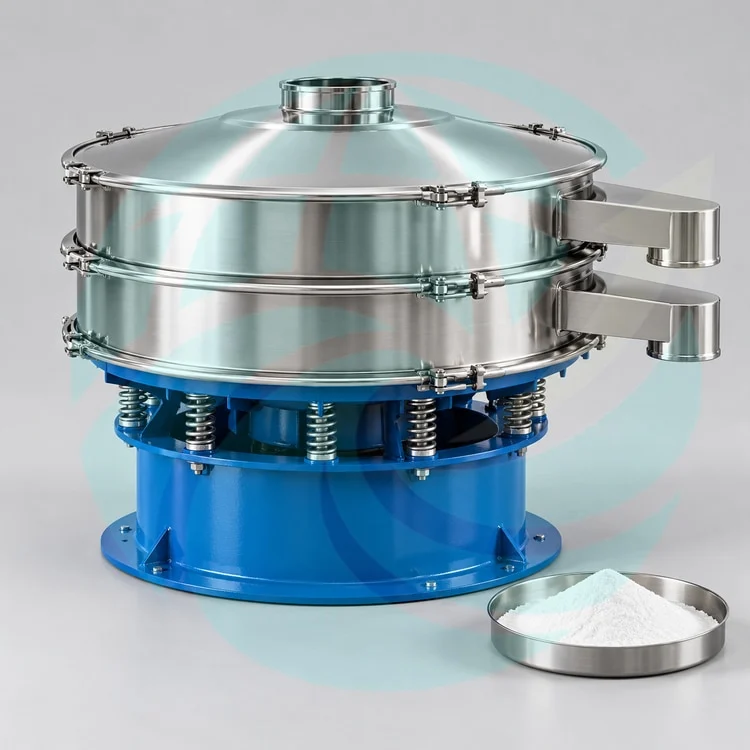
Rotary Vibrating Screen
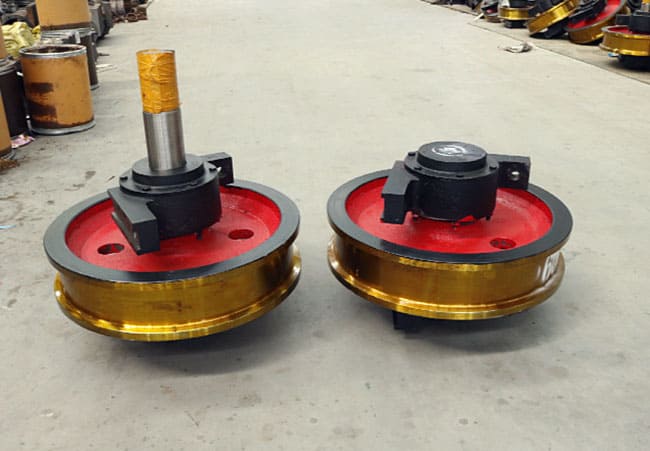
Crane Rail Wheels
Bulk Material Elevator FAQs
1.How do I choose a bulk material elevator?
Start with the material properties, required capacity and lifting height. Also provide inlet and outlet levels, available headroom and a layout sketch so suitable arrangements can be discussed.
2.How does a bucket elevator differ from a Z-type bucket elevator?
A conventional bucket elevator is generally arranged for vertical transfer. A Z-type arrangement includes horizontal sections and a vertical lift. The appropriate choice depends on the material, feeding method and required route.
3.Can a spiral vibrating elevator handle my material?
Suitability depends on the material’s flow behaviour, particle size and handling requirements. Share these details and the required lifting height so the application can be reviewed. Do not assume one configuration suits every powder or granule.
4.What capacity and lifting height are available?
These depend on the selected equipment and material. Send the required throughput and height for review rather than selecting a machine from a general capacity claim.
5.Can the equipment connect to my existing production line?
Provide drawings or photos showing the feeding point, discharge connection and available space. Support arrangements, maintenance access and control interfaces should also be discussed before ordering.
6.Can the equipment handle fragile granules?
Explain the material and acceptable level of damage. Suitability depends on the complete handling route, including loading and discharge. A material trial may need to be discussed before confirming the configuration.
7.What information is needed for a quotation?
Provide the material name, throughput, lifting height, inlet and outlet positions and destination. Include any requirements for contact materials, cleaning, power supply and integration with existing equipment.
Discuss Your Lifting Requirements
Tell us what you need to lift and where it needs to go